Godspeed Streetwear and the Creative Economy of Local Artist
How Streetwear Connects With Local Creativity
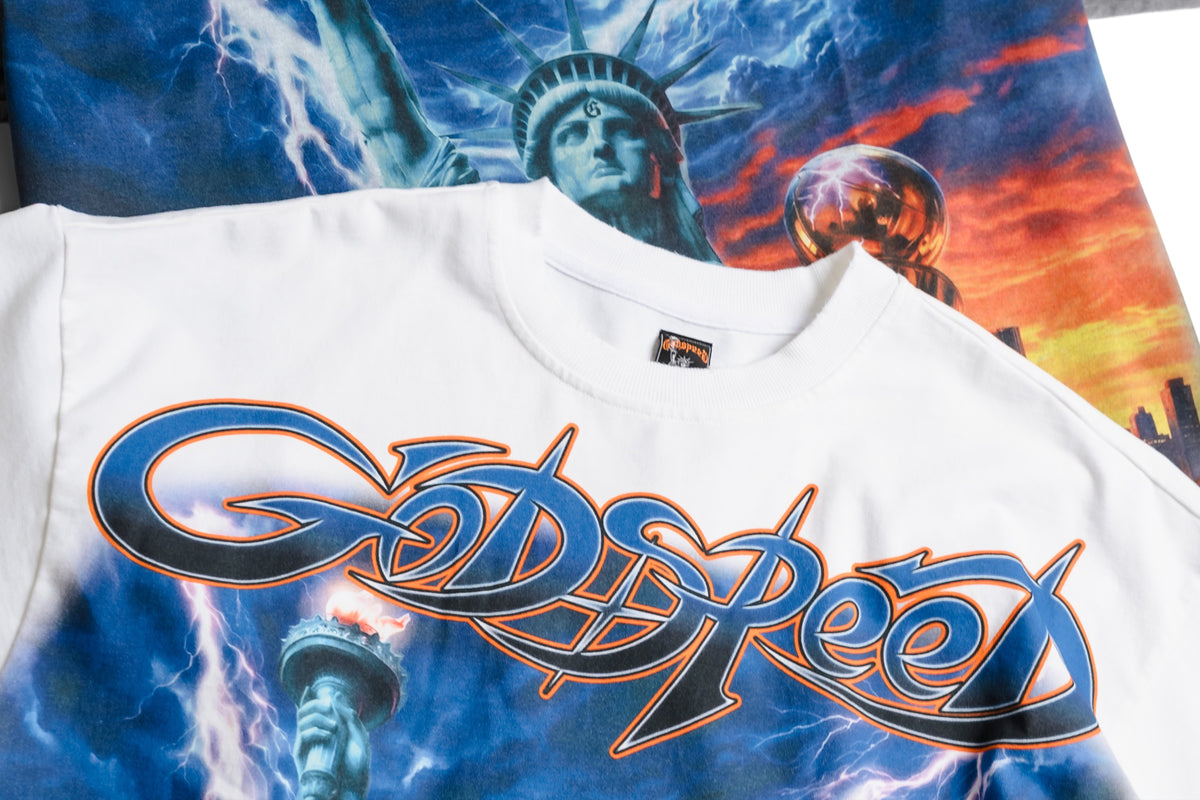
Streetwear often develops alongside the creative energy of the communities where people live, work, and share ideas. Local illustrators, photographers, designers, musicians, and independent makers can influence how clothing is imagined and presented. Their work introduces different perspectives that may not appear in mainstream fashion campaigns. Godspeed provides a starting point for exploring how streetwear relates to local creative economies, where clothing can become part of a larger network of artistic expression, collaboration, and community participation.
The Importance of Supporting Independent Creatives
Independent creatives frequently rely on opportunities that allow them to show their work, connect with audiences, and develop professional relationships. Fashion projects can create some of these opportunities through photography, visual design, event planning, illustration, and other creative services. Working with local talent can also introduce a project to ideas shaped by different experiences and perspectives. Strong creative relationships are built through clear communication, fair expectations, and respect for each contributor's work rather than treating artistic input as an afterthought.
Streetwear as a Platform for Creative Collaboration
A clothing project can involve more than selecting garments and presenting them to customers. Creative collaboration may include developing a visual concept, planning a campaign, photographing outfits, or preparing artwork for promotional materials. Godspeed Clothing can be discussed within this wider relationship between fashion and creative work, where presentation and artistic direction contribute to how people experience a collection. The most effective collaborations give contributors a clear role while allowing their individual skills and ideas to shape the final result.
How Local Illustrators Contribute to Fashion
Illustrators bring a distinctive approach to visual communication through drawing, composition, and personal artistic techniques. Their work may influence campaign artwork, editorial features, event posters, or original design concepts. Fashion projects benefit when illustration is treated as a creative discipline with its own process and value. Before using commissioned artwork, the people involved should agree on payment, attribution, deadlines, and permitted uses. These arrangements protect creative contributions and help establish professional relationships that can continue beyond a single project.
Photography and the Presentation of Clothing
Photography helps audiences understand how clothing looks in a particular setting and how individual pieces relate to one another. Local photographers may bring knowledge of nearby locations, lighting conditions, and visual references that give a campaign a distinctive perspective. A Godspeed Shirt could be featured in a photography concept when its actual design fits the intended creative direction. Planning the composition, background, and overall atmosphere helps communicate the garment clearly while giving the photographer space to develop an original visual approach.
Styling Ideas Developed Through Local Collaboration
Stylists can contribute by arranging outfits, balancing proportions, and selecting pieces that support a project's visual theme. Working with a local stylist may introduce combinations that a team would not have considered independently. For example, a casual fashion shoot could explore contrasting silhouettes, restrained accessories, or a carefully planned setting. Godspeed Shorts may be included when their real design suits the styling concept. The aim is to create a coherent presentation while respecting the stylist's ideas and the practical needs of the project.
Creative Events That Bring People Together
Local fashion events can provide opportunities for designers, artists, photographers, and audiences to meet in person. Exhibitions, small showcases, creative markets, and collaborative presentations can introduce visitors to work they might not discover through online channels alone. Events also allow contributors to explain their process and receive direct feedback. Successful gatherings require thoughtful organization, clear communication, and realistic planning. When participation is accessible and responsibilities are well defined, creative events can strengthen relationships within the local fashion community.
The Role of Small Businesses in Creative Networks
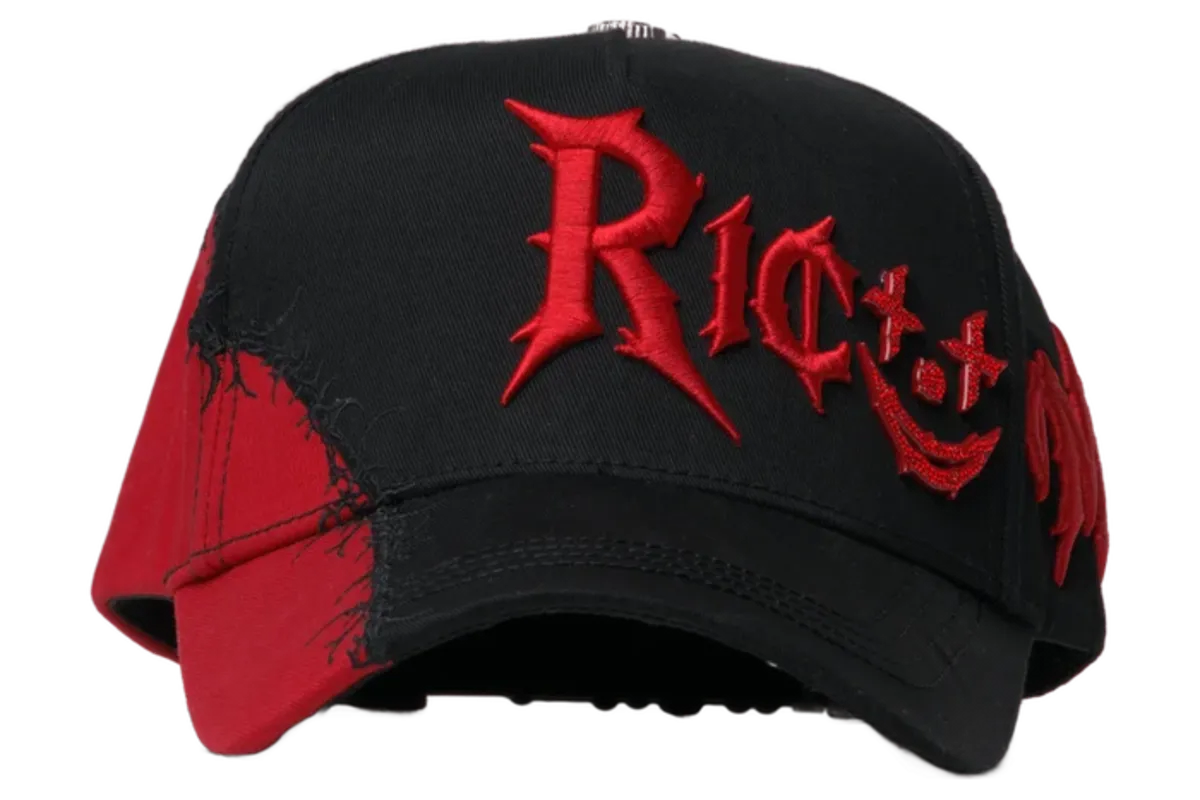
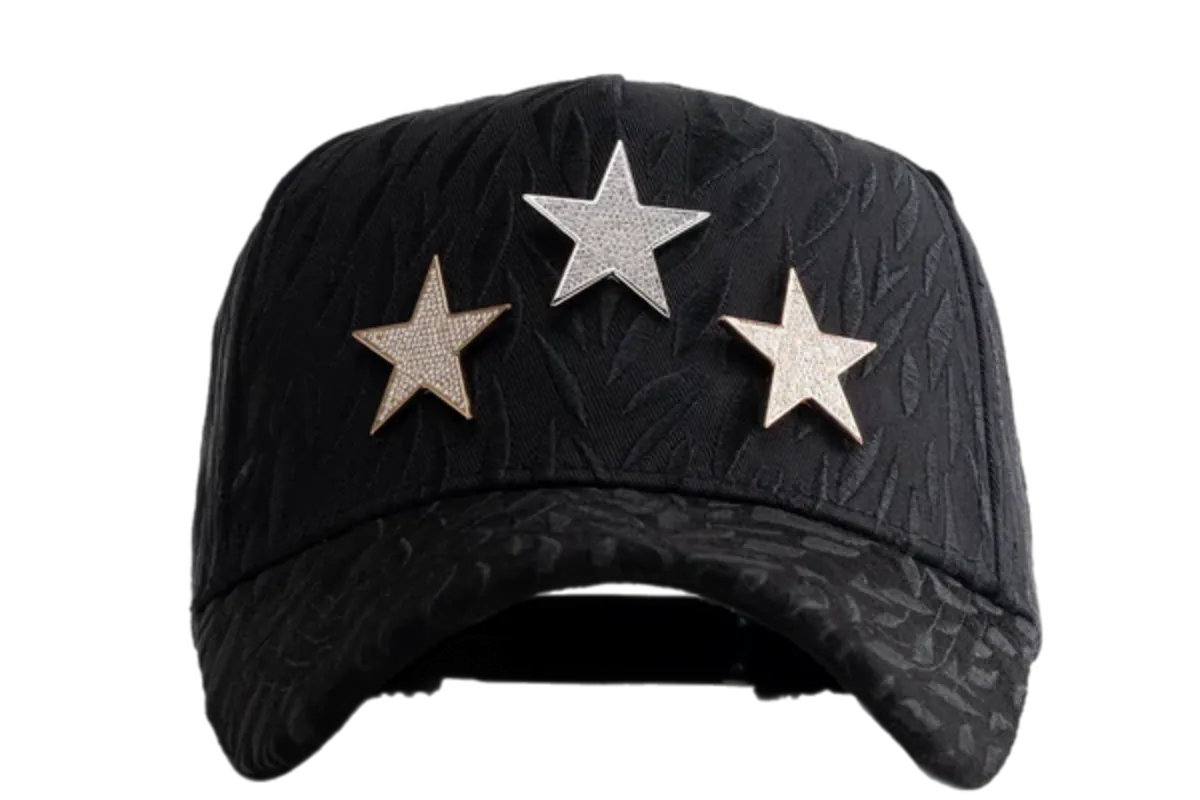
Creative economies depend on relationships between different kinds of businesses and professionals. A fashion project may involve a photographer, print studio, venue, graphic designer, or local supplier. Choosing collaborators based on suitability, quality, and transparent agreements can help distribute opportunities across a wider network. A Godspeed Hat might appear as part of a locally planned styling or photography project when the actual product fits the concept. The broader point is that fashion activity can create work for many people beyond those directly involved in selling clothing.
Giving Credit and Respecting Creative Ownership
Collaboration works best when each contributor understands how their work will be used. Artwork, photographs, written material, and design concepts may involve specific rights that should be discussed before publication. Written agreements can clarify payment, attribution, editing permissions, distribution, and future use. Giving appropriate credit also helps audiences recognize the people behind a project. Respecting creative ownership is not merely a formality; it demonstrates professionalism and can build trust between fashion businesses and the people who help bring their ideas to life.
Building Long-Term Creative Relationships
One successful collaboration can become the beginning of a lasting professional relationship. Teams can maintain these connections by communicating clearly, paying agreed fees, meeting deadlines, and providing constructive feedback. Sharing finished work with contributors and discussing what went well can also improve future projects. Long-term relationships often benefit from realistic expectations and a willingness to recognize different working styles. Rather than constantly searching for new collaborators, fashion businesses may find value in developing dependable partnerships with creatives whose work aligns with their goals.
How Does Streetwear Support Local Artists?
Streetwear projects can create opportunities for artists through illustration, photography, styling, graphic design, and events. The specific benefits depend on fair agreements, genuine collaboration, and the opportunities available in the community.
Why Should Fashion Projects Work With Local Creatives?
Local creatives may offer distinctive perspectives, knowledge of nearby communities, and specialized skills. Collaborating with them can introduce new ideas while helping establish professional relationships.
What Should Be Agreed Upon Before a Creative Collaboration?
Participants should clarify responsibilities, deadlines, payment, attribution, and how the finished work may be used. Written agreements can reduce misunderstandings and protect everyone involved.
Can Small Fashion Events Benefit Creative Communities?
Yes. Well-organized events can connect artists, businesses, and audiences, giving participants opportunities to present their work, exchange ideas, and develop professional connections.
How Can Fashion Businesses Maintain Good Creative Partnerships?
Clear communication, fair payment, reliable scheduling, appropriate credit, and constructive feedback help build trust. Respecting each contributor's expertise makes future collaboration more productive.

About Dandy Hats
Aprende cómo elegir Dandy Hats para looks casuales, deportivos y streetwear, combinando colores, prendas y diseños según tu estilo diario.
Popular Categories
Stay Connected
Recent Posts