Saint Vanity: How Texture and Proportion Shape Streetwear
Looking Beyond the Basics of Streetwear
Streetwear can appear simple at first glance, yet small styling decisions often determine whether an outfit feels ordinary or distinctive. The relationship between garment shapes, fabric textures, and color combinations can change the entire impression of familiar clothing. Understanding these details allows people to develop their personal style without relying on complicated outfits or constantly purchasing new pieces. Saint vanity fits into this broader approach to contemporary fashion, where everyday essentials provide room for creativity and individual expression.
A successful outfit does not require every garment to stand out. Sometimes, the most effective combination includes one interesting piece supported by simpler clothing. A relaxed top, well-proportioned trousers, and suitable footwear can create a strong foundation when their shapes and colors work together. Learning to recognize these relationships makes everyday styling more intentional and helps create a wardrobe that remains useful across different occasions.
Understanding the Importance of Texture
Texture influences how clothing looks and how different pieces relate to one another. Smooth surfaces, heavier fabrics, ribbed details, and textured outer layers can create contrast even when an outfit uses a limited color palette. These differences add visual interest without requiring bold graphics or dramatic shades.
When choosing clothing, consider how its surface and construction will work with the other garments you wear. A simple top can provide a quiet foundation for a more textured jacket, while several pieces with similar visual weight can create a unified appearance. The goal is to create contrast where it adds value without making the outfit feel disconnected. Checking product descriptions and garment details can help you understand the available information about materials and construction before making a purchase.
Finding Better Proportions With Hoodies
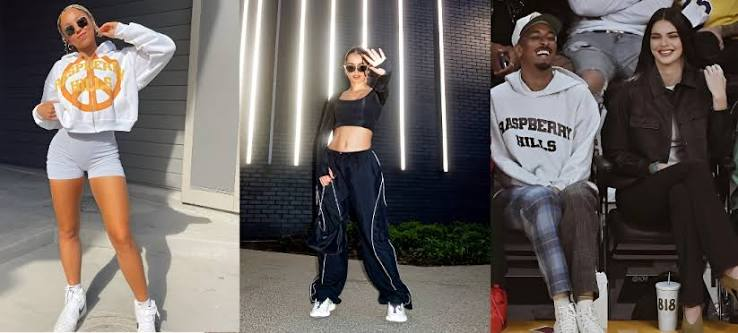
Hoodies are useful for experimenting with proportions because they come in different shapes and can be styled with a wide range of bottoms. A relaxed silhouette creates a casual impression, while a more defined fit can offer a cleaner outline. The choice depends on personal preference, comfort, and the appearance you want to achieve.
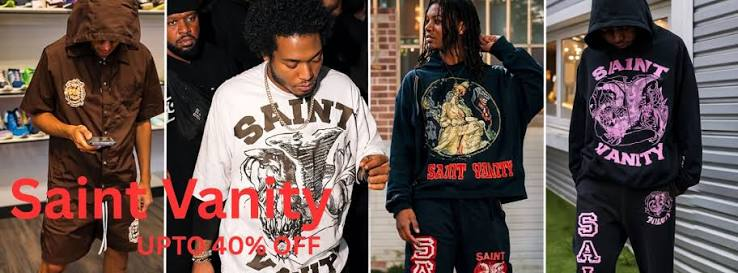
Saint Vanity Hoodies can provide a starting point for exploring these combinations. Try a relaxed hoodie with straight-leg trousers to create a balanced silhouette, or pair it with wider bottoms if you prefer a more pronounced streetwear look. Pay attention to sleeve length, body length, and how the hoodie sits around the shoulders. If you plan to wear another layer over it, make sure the combination allows comfortable movement rather than creating unnecessary bulk.
Using Jackets to Introduce Structure
Outerwear often creates a noticeable change in an outfit because it influences the overall outline. A saint vanity jacket may introduce a more structured layer alongside relaxed clothing, helping create contrast between the upper body and the rest of the silhouette. Its usefulness depends on the design, fit, construction, and conditions in which you intend to wear it.
Try combining a jacket with a simple shirt and casual trousers to keep the overall appearance straightforward. If you prefer more depth, wear it over a hoodie with a compatible fit. Different lengths can create different visual effects, so consider how the jacket relates to the top and bottoms rather than judging it independently. A versatile outer layer should also work with several pieces you already own, making it easier to build different outfits without unnecessary purchases.
Creating Visual Balance With Coordinated Clothing
Matching garments offer an easy way to create visual consistency, but their styling potential extends beyond wearing both pieces together. A saint vanity set can provide a coordinated foundation through related colors, silhouettes, or design details. This connection helps create a complete look without requiring extensive planning.
To add more individuality, introduce a contrasting jacket, choose footwear with a different texture, or wear one part of the set with another garment. If the coordinated clothing already features strong visual details, keep the additional pieces relatively understated. If the set uses simple colors and shapes, an accessory can add a focal point. These adjustments allow matching clothing to remain practical while providing opportunities to experiment with the overall appearance.
Exploring Color and Contrast
Color and contrast can help define different parts of an outfit. A light top paired with dark trousers creates a clear division, while similar shades can make the combination appear more continuous. Neither approach is universally better; the choice depends on the effect you want and how the garments work together.
Start by considering the main color of your outfit, then decide whether you want to reinforce it or introduce contrast. A neutral hoodie can work with a brighter accessory, while a colorful top may pair more naturally with subdued bottoms. You can also use footwear to connect different shades throughout the outfit. By making these decisions deliberately, you can create variety without relying on excessive patterns or competing details.
Layering for Depth and Practicality
Layering is not only a response to colder weather. It can also introduce depth and provide additional styling possibilities. A T-shirt beneath a hoodie, followed by a suitable jacket, creates several visible layers that can be adjusted as conditions change. Each garment contributes something different through its color, shape, or texture.
For effective layering, consider the thickness and fit of every piece. Lightweight items generally work well beneath heavier garments, while bulky combinations may restrict movement or make the silhouette feel crowded. Choose layers that complement each other and remain comfortable when worn together. The ability to remove or add a layer also makes this approach useful when moving between outdoor and indoor environments.
Making Simple Outfits Feel More Intentional
A limited outfit can still have plenty of character when the details are considered carefully. Garment condition, fit, footwear, and color relationships often make a greater difference than the number of items being worn. A plain top and casual trousers can feel thoughtfully styled when their proportions are balanced and the shoes complement the overall combination.
Before adding accessories, look at the outfit as a whole. Notice whether one piece dominates the silhouette or whether several details compete for attention. Adjusting a layer, changing the footwear, or choosing a more complementary color may be enough to improve the result. This process encourages experimentation and helps you recognize which small changes make your preferred style more distinctive.
Building a Wardrobe That Supports Experimentation
A wardrobe becomes easier to style when its pieces offer several possible combinations. Instead of choosing every item for a single outfit, look for garments that work across different situations. Compatible colors, adaptable layers, and silhouettes that complement one another provide a foundation for experimenting with texture and proportion.
It is also worth considering how often you will use a new piece and how it fits your existing clothing. Product information about sizing, construction, and care can help you make a more informed choice. Once you have a reliable foundation, you can gradually introduce distinctive pieces that reflect your taste. This approach creates opportunities for creativity while keeping the wardrobe practical and manageable.
Frequently Asked Questions
Why does texture matter in streetwear?
Texture adds visual interest and creates contrast between garments. Combining different surfaces can make a simple outfit feel more detailed without relying on bold colors or graphics.
How can I balance an oversized hoodie?
Try pairing it with straight-leg trousers for a more balanced outline, or combine it with wider bottoms for a relaxed silhouette. The best proportions depend on your comfort and preferred appearance.
What role does a jacket play in outfit proportions?
A jacket can change the overall silhouette, add structure, and introduce another visual layer. Its length and fit should complement the garments underneath.
Can coordinated clothing work with contrasting accessories?
Yes. Contrasting footwear, bags, or other accessories can add personality to a matching outfit. Choose details that complement the clothing rather than competing with it.
How can I experiment with streetwear without buying more clothes?
Try combining familiar pieces in new ways, changing the order of your layers, or using different footwear and accessories. Small adjustments can create noticeably different outfits.
Developing a More Thoughtful Approach to Streetwear
Texture, proportion, and contrast offer practical ways to make everyday streetwear more expressive. Hoodies provide opportunities to experiment with relaxed silhouettes, jackets introduce structure, and coordinated clothing creates a consistent foundation. When these elements are considered together, familiar garments can produce a wider range of personal looks.
Developing style is less about following fixed rules and more about understanding how clothing works on you. Pay attention to comfort, experiment with different combinations, and choose pieces that complement your existing wardrobe. Over time, these habits can help you create outfits that feel distinctive and balanced while remaining suitable for the demands of everyday life.

About Dandy Hats
Aprende cómo elegir Dandy Hats para looks casuales, deportivos y streetwear, combinando colores, prendas y diseños según tu estilo diario.
Popular Categories
Stay Connected
Recent Posts